
Common Sources of Lead in Residential Water Systems
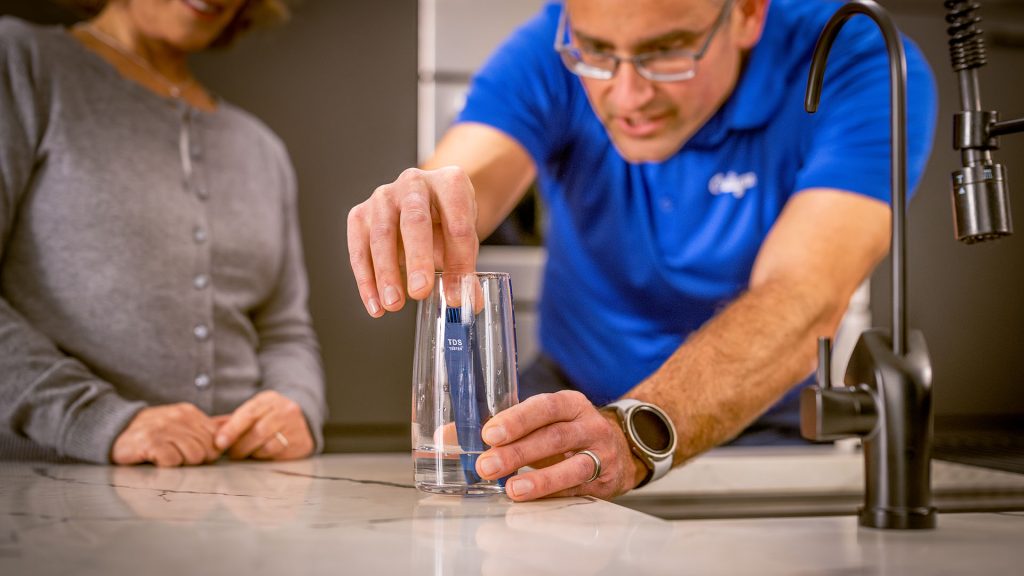
Many homeowners assume that if their drinking water looks clear and tastes normal, it must be safe. However, certain contaminants can exist without any visible warning signs. Lead is one of the most concerning substances that can affect residential water systems because it can enter water through plumbing materials and remain undetected without proper testing. […]
How Flooding Can Impact Well Water Safety

For homeowners with private wells, there is perhaps no greater environmental threat to water quality than flooding. When heavy rains arrive and the ground becomes saturated, the landscape around your home changes rapidly. What was once a manageable drainage area can quickly turn into standing water, placing your water supply at direct risk. If you […]
Heavy Metals in Drinking Water: What You Need to Know
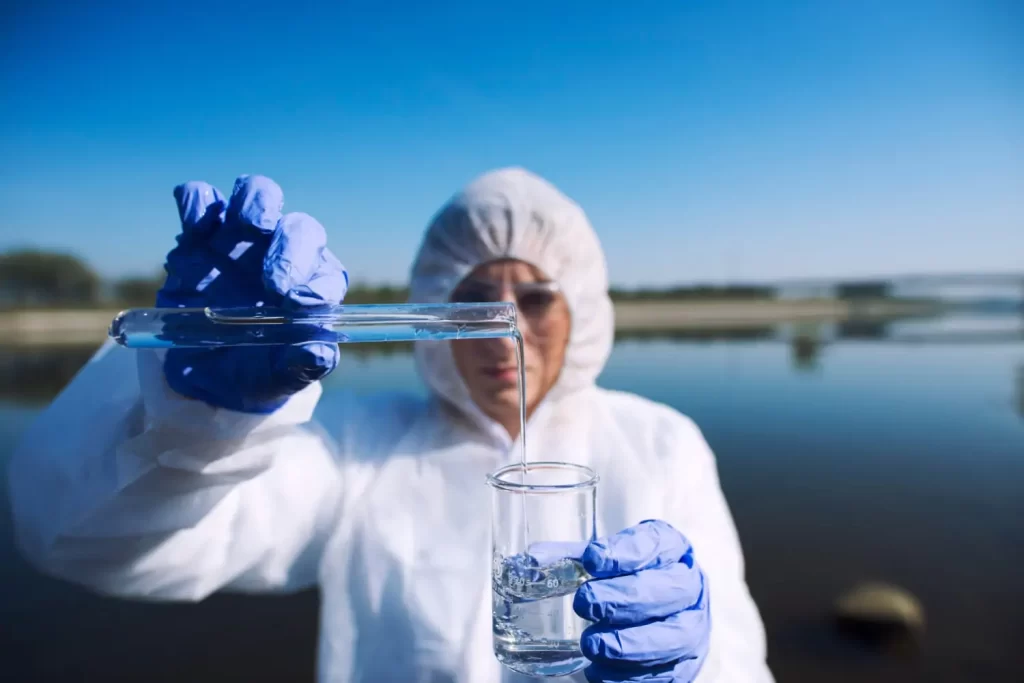
Clean drinking water is essential for everyday life, but water quality can be affected by contaminants that remain invisible to the naked eye. This is why Professional heavy metal water testing in Queens plays such a vital role, as it uses certified laboratory analysis to detect elements like lead, arsenic, mercury, and copper in your […]
What to Do If Your Well Water Fails a Safety Test
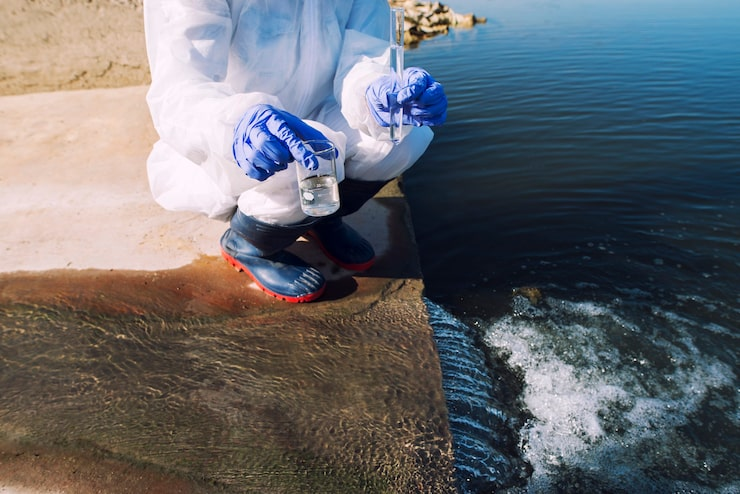
Receiving a lab report that indicates your well water has failed a safety test is undoubtedly stressful. It is a moment that shifts your home’s most basic utility—the water from your tap—from a source of comfort to a source of concern. However, it is important to remember that failing a water test is not the […]
Common Well Water Contaminants and How to Detect Them

For homeowners who rely on a private well, the water supply is not just a utility—it is a vital component of the home’s ecosystem. Because well owners are responsible for the safety of their own drinking water, understanding the common contaminants that can infiltrate a groundwater supply is essential. Unlike municipal water, which undergoes constant […]
Why Older Homes Should Be Tested for Lead
Older homes often have unique character, quality craftsmanship, and historical value. Many homeowners appreciate the charm of original architecture, established neighborhoods, and traditional building materials. However, older properties can also come with hidden concerns, especially when it comes to plumbing and water quality. One of the most important issues for owners of older homes to […]
Understanding Bacteria Testing for Private Wells

Understanding Bacteria Testing for Private Wells Owning a home with a private well offers a distinct sense of independence, giving you full control over your water supply without municipal chlorination or community-wide infrastructure issues. That freedom, however, means the responsibility for keeping your family’s water clean and safe rests entirely on your shoulders, which is […]
Understanding the Health Risks of Lead in Drinking Water
Water is essential for everyday life, from drinking and cooking to cleaning and personal care. Most people assume that the water coming from their tap is safe, but certain contaminants can exist without any visible warning. Lead is one of the most concerning substances that can enter drinking water because it is invisible, has no […]
How to Test Your Water for Lead Contamination

Clean drinking water is something most people expect when they turn on their tap. However, water that looks clear and tastes normal can still contain harmful contaminants, including lead. Lead contamination is especially concerning because it cannot be detected by sight, smell, or taste. The only reliable way to know whether your water contains lead […]
How Seasonal Changes Affect Well Water Quality
How Seasonal Changes Affect Well Water Quality For many homeowners, the concept of “water quality” feels like a constant—something that is either good or bad, defined by the geography of their property. However, if you rely on a private well, your water quality is far from static. It is a dynamic resource that breathes and […]