
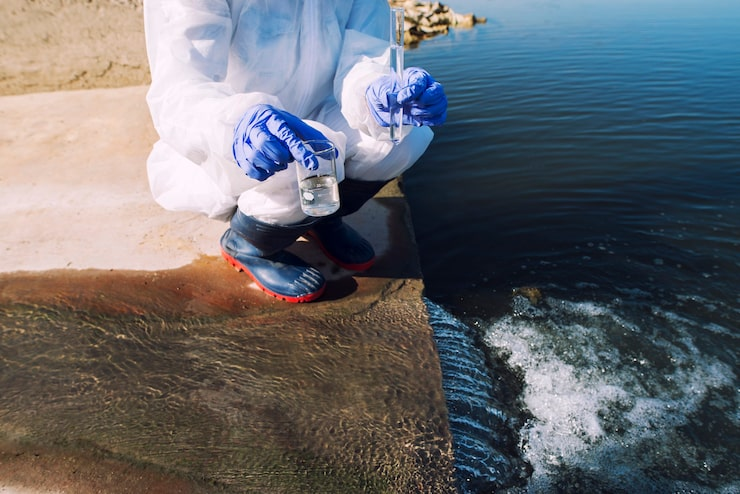
Receiving a lab report that indicates your well water has failed a safety test is undoubtedly stressful. It is a moment that shifts your home’s most basic utility—the water from your tap—from a source of comfort to a source of concern. However, it is important to remember that failing a water test is not the end of the road; it is the beginning of a resolution process.
Water quality issues are common for private well owners, and in the vast majority of cases, they are entirely manageable. The key to navigating this situation is to remain calm, act methodically, and use the data provided by your certified laboratories to guide your next steps.
Step 1: Secure Your Immediate Safety
If your test results indicate the presence of harmful bacteria like E. coli or dangerous levels of chemical contaminants like nitrates or arsenic, your first priority is to prevent exposure.
- Switch to an Alternative Source: Do not drink, cook with, or brush your teeth with the water from your tap until you have resolved the issue. Rely on bottled water or a verified safe supply.
- Don’t Rely on Boiling Alone: While boiling can kill bacteria, it does not remove chemical contaminants, heavy metals, or nitrates. In fact, boiling can sometimes concentrate certain chemicals, making them more dangerous. Stick to bottled water until you know the full scope of the contamination.
- Inform Household Members: Ensure everyone in the home—especially children and visitors—is aware of the temporary restriction.
Step 2: Analyze the Report and Context
Once you have secured your family’s safety, take a closer look at the data. A “fail” can mean very different things.
- Understand the Contaminant: Is it a biological issue (bacteria) or a chemical one (metals, nitrates)? Biological issues usually require sanitization, whereas chemical issues often require a long-term filtration solution.
- Check the Testing Methods: Look at the notes provided by the lab. Sometimes, a “fail” is triggered by improper sample collection. If you are unsure if you collected the sample correctly, you may need to re-test to confirm the result.
- Look for Trends: Compare this result to your past water tests. Was this a sudden spike, or has the contaminant been slowly increasing over several years? This context is critical for deciding whether you have a sudden “break” in your well system or a long-term issue with the aquifer itself.
Step 3: Identify the Source of the Contamination
Not all contamination comes from the well itself. Often, the culprit is the infrastructure around the well.
- Inspect the Wellhead: Go outside and examine the well casing. Is the cap tight? Is there standing water pooling around the base of the pipe? If the well is located in a low spot, surface runoff during rainstorms may be seeping directly into your supply.
- Check Your Septic System: If you have a septic system on your property, a failing drain field can introduce bacteria into the groundwater. If you haven’t had your septic tank inspected in the last few years, now is the time.
- Look for Local Disruptions: Have there been any recent construction projects, agricultural applications, or heavy storms in your area? Working with local labs can be particularly helpful here; they often know if there is a regional issue impacting multiple wells in your community.
Step 4: Consult a Professional
You do not have to solve this alone. In fact, DIY-ing a solution without a professional diagnosis is often a waste of time and money.
- Contact a Licensed Well Professional: If your wellhead is damaged, you need a professional to perform the repair. A quick fix with duct tape or caulk is not enough when it comes to the integrity of your groundwater supply.
- Reach Out to Us: You can contact our team to discuss your report. We can help you interpret the numbers, explain the health implications, and guide you toward the most effective laboratory testing services for re-testing.
Step 5: Implement the Solution
Depending on your results, your solution will likely fall into one of two categories:
A. System Sanitization (Shock Chlorination)
If your well tested positive for bacteria, the standard first step is “shocking” the well. This involves introducing a highly concentrated chlorine solution into the well and circulating it through your home’s plumbing to kill the bacteria. After a period of time, the system is flushed. This is often successful for one-time contamination events.
B. Long-Term Filtration
If your results show persistent chemical contaminants—such as heavy metals, nitrates, or ongoing bacterial issues from environmental runoff—you may need a permanent treatment system:
- UV Light Systems: Highly effective at neutralizing bacteria and viruses as water enters your home.
- Reverse Osmosis (RO): Excellent for removing heavy metals, nitrates, and dissolved solids.
- Water Softeners or Iron Filters: Designed to improve water aesthetics and protect your pipes from corrosion.
Step 6: The Verification Phase
Never assume your water is safe just because you installed a filter or shocked your well. You must verify the solution.
After taking corrective action, wait the appropriate amount of time (as recommended by your professional) and then conduct a follow-up test. You should ideally aim for two consecutive negative results before returning to normal use. This verification step is the only way to be 100% confident that your household water is truly safe.
Staying Proactive Moving Forward
Experiencing a failed water test is an eye-opening event for many homeowners. It emphasizes that private wells are not “set it and forget it” systems. However, it also proves the value of regular maintenance.
The Environmental Protection Agency (EPA) stresses that homeowners are the first line of defense for well safety. By maintaining a regular, annual testing schedule, you can catch these issues when they are small and easy to fix, rather than discovering them after they have impacted your family’s health.
If you are feeling overwhelmed, remember that you have resources available. You can browse our FAQ section for quick answers to common questions about water treatment and contamination. We are committed to providing the clarity and data you need to ensure your home’s water is safe. When you are ready, contact our team to begin the process of returning your water to a clean, reliable state.
Your well has provided you with independence—take the necessary steps now to make sure that independence is also safe, healthy, and sustainable for the long term.
Understanding Well Safety
- CDC: What to do if your well water is contaminated – Detailed guidance from the CDC on the steps to take when well water testing reveals contaminants, including information on well disinfection and long-term protection.