
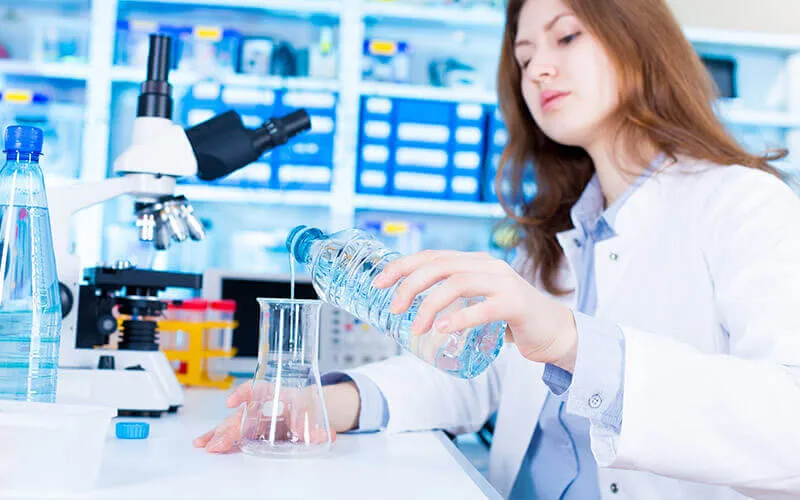
For any homeowner worried about the quality of their drinking water, the first hurdle is often deciding how to get reliable answers, which is where Certified VOC water testing in the Bronx comes in, a professional lab service that detects volatile organic compounds in your water by analyzing samples in a controlled environment, giving you accurate, verifiable results that DIY kits simply cannot match and helping you make informed decisions to protect your family’s health. A quick online search or a walk through the aisles of a local hardware store reveals a wide range of do-it-yourself water testing kits. These products promise fast results at a low cost, usually delivered in a convenient, all-in-one package, but they often lack the precision and certification needed to identify harmful contaminants.
However, when it comes to the safety of the water your family drinks, cooks with, and bathes in, the “quick and cheap” approach often falls short. Understanding the fundamental differences between simple DIY strips and professional, certified laboratories is essential for making informed decisions about your home’s health.
The Limitations of DIY Test Kits
DIY testing kits are designed for convenience, not clinical precision. Typically consisting of color-coded paper strips or simple color-change reagents, these kits offer a basic “snapshot” of a few common parameters, such as pH, hardness, or the presence of chlorine.
While they may be useful for a rough estimate, they suffer from significant limitations:
- Lack of Sensitivity: DIY strips are rarely sensitive enough to detect contaminants at low concentrations. Many dangerous substances, such as lead or arsenic, can pose severe health risks at levels that are completely invisible to these basic tests.
- Subjectivity: Interpreting a color-coded strip is inherently subjective. Comparing the shade of a strip against a printed chart in varying lighting conditions can easily lead to misinterpretation, resulting in inaccurate data.
- Narrow Scope: DIY kits are generally limited to a handful of standard parameters. They rarely provide a deep dive into the complex chemical or biological composition of your water, often missing the “stealth” contaminants that matter most.
- Environmental Sensitivity: The reagents on test strips can be degraded by heat, humidity, or age, which can lead to false readings even if you follow the instructions perfectly.
The Rigor of Professional Lab Analysis
In contrast, professional laboratory testing services operate under stringent scientific standards. When you choose a certified lab, you are not just buying a kit; you are leveraging sophisticated infrastructure and expertise.
Precision Instrumentation
Certified labs utilize advanced technologies, such as Inductively Coupled Plasma Mass Spectrometry (ICP-MS) and Gas Chromatography, which can identify and quantify contaminants at the parts-per-billion or even parts-per-trillion level. This is the difference between knowing “something is in the water” and knowing exactly what, and how much, is present.
Scientific Accuracy and Methodology
Professional testing methods are rigorous, standardized, and validated. They account for the complex matrix of water chemistry—ensuring that one mineral doesn’t interfere with the detection of another. This level of scientific integrity ensures that the results you receive are reliable, repeatable, and legally defensible.
Actionable Context
Perhaps the greatest advantage of professional testing is the expertise that accompanies the data. A certified laboratory doesn’t just return a raw data sheet. They often provide analysis that interprets your results within the context of health guidelines set by the Environmental Protection Agency (EPA). If your water exceeds a limit, a professional can offer guidance on appropriate treatment solutions, helping you avoid unnecessary expenses on systems that may not actually solve your specific problem.
The “Local” Advantage
Water quality is inherently dependent on your geography. Contaminants that are common in one region—such as high iron content in an area with specific soil composition or nitrates in an agricultural valley—might be virtually non-existent in another.
By working with local labs, you benefit from a deeper understanding of the environmental and geological factors at play in your community. These professionals are often familiar with the common water quality issues in your specific watershed, allowing them to recommend the most relevant testing panels. This local expertise is something that a generic, mass-market DIY kit simply cannot replicate.
When Should You Choose Professional Testing?
While a basic DIY strip might be “fun” for a science experiment, it should never be your sole source of information for household water safety. You should opt for professional testing in the following scenarios:
- New Home Purchases: Before closing on a property, especially one with a private well, a professional water test is a non-negotiable step in your due diligence.
- Health Concerns: If you are planning for a pregnancy, have an infant, or are caring for an elderly or immunocompromised individual, precision is mandatory.
- Visible Changes: If your water develops a new color, odor, or taste, a professional lab is the only way to get to the root of the problem and ensure your system is properly sanitized.
- Annual Maintenance: Just like your annual medical physical, establishing a yearly baseline of your home’s water quality is the best way to catch potential issues before they become emergencies.
Making the Right Choice for Your Home
Investing in professional water testing is an investment in your family’s health. It provides the clarity and certainty that simple DIY kits cannot offer. Instead of wondering if your test strip reading is accurate, you can move forward with confidence, knowing you have the most precise data available.
If you have questions about which testing package is right for you, or if you are ready to get started, you can explore our FAQ section for common insights. Alternatively, feel free to contact our team to discuss your specific situation. We are here to help you move beyond guesswork and ensure that your home’s water is truly safe, clean, and reliable.
For more tips on maintaining your water system, check out the latest entries on our blog. Remember, the most important part of any water test isn’t just the result—it’s the peace of mind that comes from knowing you have the full story.
Understanding Water Quality Standards
- EPA: National Primary Drinking Water Regulations – An authoritative overview of the standards that ensure our public water systems are safe and the guidelines used by professional laboratories.