
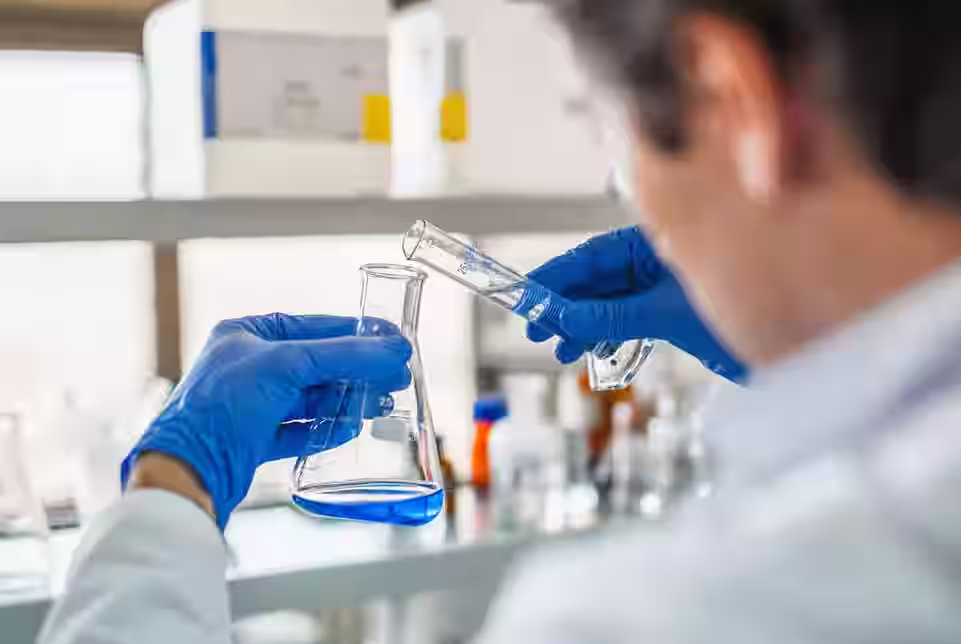
Why Clear Water Isn’t Always Safe Water
When you fill a glass from the tap, you instinctively rely on visual cues to judge its quality, assuming that clear, sparkling water is safe to drink. That is exactly why Tap water quality testing in Manhattan matters, because it uses certified laboratory analysis to detect contaminants such as lead, bacteria, chlorine, and other impurities that the human eye simply cannot see, giving you an accurate picture of what is really in your water and helping you make informed decisions to protect your household. Trusting sight alone is a natural human instinct, but in the complex world of water chemistry, it can lead to a dangerous sense of complacency.
The reality is that some of the most concerning drinking water contaminants are completely invisible. They have no color, no scent, and no distinct taste. This “invisibility cloak” allows potential health hazards to bypass our senses entirely, making professional testing the only reliable way to ensure what is in your glass is truly healthy.
The Illusion of Safety
We often associate “clean” water with water that lacks dirt or debris. While visible cloudiness or sediment is certainly a reason for concern, the absence of these factors does not automatically equate to purity. Many of the substances that raise the most significant health concerns are dissolved at the molecular level.
According to the Environmental Protection Agency (EPA), contaminants can be categorized into several groups, many of which are completely undetectable to the human eye. These include:
- Microbiological Contaminants: Bacteria like E. coli or Cryptosporidium are microscopic. You cannot see them, but they can cause serious illness, particularly in vulnerable populations.
- Heavy Metals: Lead, arsenic, and mercury often leach into water supplies from aging pipes or natural mineral deposits in the soil. Lead is particularly insidious because it does not change the appearance of water in any way.
- Chemical Compounds: Pesticides, herbicides, and various industrial chemicals can infiltrate groundwater through runoff. These substances are often colorless and odorless, yet they can carry significant long-term health risks if consumed consistently over time.
Why Sensory Checks Fall Short
Our senses are tuned to detect things that are overtly harmful—the smell of sulfur (often a sign of hydrogen sulfide), the metallic taste of high iron, or the turbidity of sediment. However, the most toxic elements are often “stealth” contaminants.
If you wait for your water to look, taste, or smell “off” before taking action, you are effectively using your own body as a filter. This is why laboratory testing services are so essential. Professional labs use high-precision instrumentation that identifies what the human eye and nose simply cannot. By analyzing water at the molecular level, these tests reveal the hidden composition of your supply, ensuring that “clear” water is also “safe” water.
The Role of Infrastructure and Environment
It isn’t just the water source itself that determines quality; the journey from the source to your tap matters. Even if the water leaving a municipal treatment plant is pristine, it must travel through miles of distribution pipes. If those pipes are old or corroded, they can introduce contaminants—such as lead or copper—into your water.
For those relying on private wells, the environment plays a starring role. Your well is a direct line to the local aquifer. Changes in the landscape, such as heavy industrial activity, agricultural runoff, or even the natural weathering of rock, can introduce elements into your water that were not present a year ago. Understanding these risks is why it is so beneficial to partner with local labs. These experts have a deep understanding of the geological and environmental challenges specific to your area, allowing them to tailor their analysis to the threats most likely to affect your home.
The Professional Advantage
When homeowners realize that “clear” is not enough, the immediate instinct is often to pick up an inexpensive, over-the-counter testing kit. While these can screen for very basic pH or chlorine levels, they are rarely sufficient for a comprehensive safety check.
Certified laboratories offer a completely different level of rigor. They utilize advanced testing methods that can detect even trace amounts of contaminants. This precision is vital, especially when dealing with heavy metals, where the difference between a “safe” level and a “hazardous” level is a matter of parts-per-billion.
Beyond just the numbers, professional laboratories provide the necessary context to help you understand your results. They translate complex chemical data into actionable information, guiding you toward the best solutions—whether that’s a water softener, a reverse osmosis system, or simply a change in your well’s maintenance routine.
Taking Control of Your Water Quality
The peace of mind that comes from knowing exactly what is in your water is invaluable. Instead of guessing based on appearance, you can rely on data-driven facts to protect your household.
If you haven’t had your water tested recently, there is no better time to start. Whether you have a specific concern about taste or simply want to establish a baseline for your family’s health, our team is here to help. You can read more about the common questions homeowners have in our FAQ section or reach out to contact our team directly to discuss your specific needs.
Remember, clear water is a wonderful thing, but it is only half the picture. By taking the step to test your water, you ensure that the water you drink is as healthy as it looks.
Understanding the Risks
- CDC: Drinking Water Quality – Learn more about the potential health effects of drinking water contaminants and why regular monitoring is recommended by health ex