
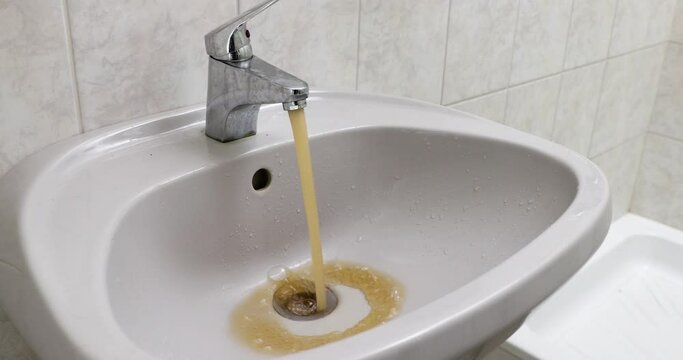
For homeowners, families, and property managers, water concerns rarely arrive as a neat technical question. They usually begin as something ordinary: a child refusing a glass because it tastes sharp, a brown tint after a plumbing repair, a landlord saying the building has always been fine, or a homeowner wondering whether a new fixture changed what is happening at the tap. In homes, apartments, schools, and buildings with multiple fixtures, where properties may include renovated apartments, older branch lines, mixed fixture ages, and high-use kitchens or bathrooms, the practical question is not only whether water comes from a public system. The more useful question is what happens between the building entry point and the glass someone actually drinks from.
Sample strategy across multiple faucets becomes easier to understand when the conversation moves from opinion to measured evidence. A professional laboratory does not simply confirm that something looks clear. It can organize concerns such as fixture variation, lead, copper, bacteria, PFAS, local plumbing, stagnation, and room-by-room differences into a report that gives the property owner, parent, buyer, or building manager a better foundation for next steps. The purpose is not to create panic. The purpose is to replace vague worry with a clearer set of facts about the specific water being used inside the property.
Laboratory analysis is strongest when the sample strategy is thoughtful from the start. That distinction matters because many water issues are local. Two apartments in the same neighborhood can have different fixture materials, different stagnation patterns, different renovation history, and different water-use routines. Even within one home, a bathroom sink may behave differently from a kitchen faucet. Laboratory-supported testing helps connect the sample location to the result, so the numbers are not floating without context.
It is tempting to choose the easiest faucet, collect one sample, and treat the result as the water story for the entire property. In many homes and buildings, that approach is too simple. Fixtures can differ by age, use, plumbing branch, aerator condition, and stagnation time. A kitchen tap, bathroom sink, basement sink, and drinking fountain may each answer a different question.
Why Fixtures Can Produce Different Results
Water changes as it moves through a property. It may pass through different pipe materials, valves, solder, fittings, fixtures, filters, and hoses. Some taps are used many times a day, while others sit unused for long periods. These differences can affect metals, bacteria indicators, taste, odor, and general chemistry. One faucet may show a concern that another does not.
This is why sample location matters. A single sample from a rarely used sink may not describe the kitchen water a family drinks every day. A kitchen sample may not describe an upstairs bathroom used by children. A hallway fountain in a school may not describe a cafeteria sink. The result is tied to the sample, and the sample is tied to the fixture.
That is why many people start by reviewing the laboratory side of the process, including what is explained on the certified laboratories page. Certification, method selection, sample handling, and reporting discipline are not decorative details. They are the difference between a loose impression and a result that is built to be interpreted. For a homeowner or parent, that extra structure can make the final report easier to discuss with a professional, a building representative, or a family member who needs a clear explanation.
When One Faucet May Be Enough
There are situations where one faucet is a reasonable starting point. If the concern is specifically about the kitchen sink used for drinking water, a kitchen sample may answer the first question. If a buyer wants a baseline from the primary use point, one carefully chosen sample may be useful. The problem begins when that one result is stretched to represent areas that were never tested.
A single sample should be described honestly. It can say something about that faucet, under those conditions, on that date. It cannot automatically describe every fixture or every condition. This does not make the test weak. It simply defines the boundary of the information.
Reliable outside references can also help frame the issue without replacing a property-specific sample. For example, EPA lead-in-drinking-water guidance gives families a public-health baseline for understanding why the concern matters. EPA Revised Total Coliform Rule information adds another layer of context for the types of contaminants, methods, or standards that may be relevant. When the issue is specific to a property, however, public information should be paired with actual laboratory testing rather than treated as a substitute for it.
When Comparison Samples Are Better
Comparison samples are useful when a property has mixed plumbing, recent renovations, multiple daily-use fixtures, or a complaint that appears in one location. If the kitchen tastes metallic but the bathroom does not, both locations may be worth comparing. If brown water appears in one bathroom, a nearby fixture may help show whether the issue is local. If lead is a concern, first-draw and flushed samples may answer different questions.
A good testing plan should match the question. A family worried about lead may need first-draw or fixture-specific sampling. A buyer who notices staining may need metals and general chemistry. A household concerned about odor or unusual taste may need a broader panel that includes bacteria or potability indicators. The laboratory testing services page is useful because it separates different testing goals instead of treating every water concern as the same problem.
Comparison sampling can also help property managers. In a school, apartment building, or larger home, testing only the easiest point may miss high-use fixtures. Kitchens, fountains, nurse areas, classroom sinks, staff rooms, and older wings may all have different reasons for attention. A thoughtful map makes laboratory analysis more meaningful.
How Timing Changes Faucet Results
Timing matters because water sitting in a fixture or pipe can behave differently from water that has just moved through the system. First-use water in the morning may carry a different metals profile than flushed water. A rarely used tap may show different bacteria or taste patterns than a busy tap. A sample collected after maintenance may differ from one collected during normal use. The plan should define timing before collection.
Method choice is especially important when the final result may guide a family decision. Metals, microbiological samples, and PFAS analysis are not handled in exactly the same way. A serious testing provider should be able to explain why a particular bottle, holding time, preservation step, or laboratory method is being used. The testing methods page can help homeowners understand why method discipline matters before a sample is ever collected.
For more technical background, EPA drinking water contaminant regulations offers a helpful reference point. The most important lesson is simple: the quality of the result depends on more than the act of collecting water. It also depends on the right method, the right sample container, and an interpretation that respects the limitations of the sample.
Building a Better Sample Plan
A better sample plan begins with a simple question: what decision should the testing support? If the decision is about a child’s drinking water, test the child’s drinking-water tap. If the decision is about a building complaint, test the complaint location and relevant comparison points. If the concern is potability, include the right microbiological and chemistry indicators. If PFAS is the question, choose a method and sample process designed for that analysis.
The laboratory report will be easier to use when each sample has a clear reason. Labels should identify the fixture, room, condition, and timing. Without that information, even a good lab result can become hard to interpret. With it, the report becomes a map of the property’s water conditions rather than a loose list of numbers.
Families and property owners across different service areas can also review the locations page to understand the regional focus of the lab-supported testing process. For direct questions, the contact page is usually the most practical next step because a testing plan should be shaped around the property, the fixture locations, and the reason the concern started.
Conclusion
One faucet can provide useful information, but it rarely tells the whole water story. Different fixtures can reflect different plumbing materials, use patterns, and conditions. Certified laboratory testing becomes far more valuable when the sample strategy is designed around the property, the concern, and the people who use the water every day.