
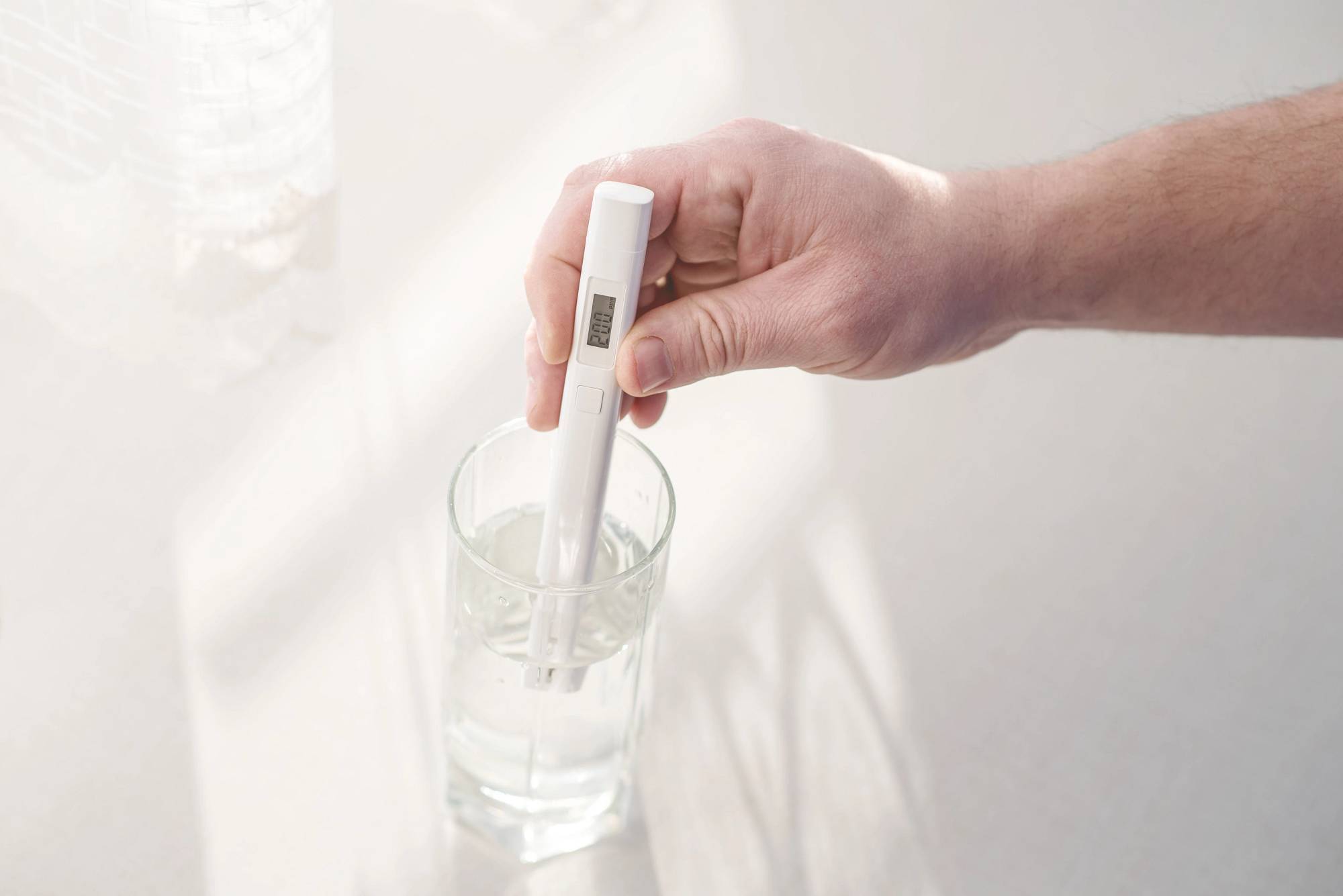
For many families in North New Jersey, water is simply something that flows from the tap. Whether you are living in a historic home in Bergen County, a suburban residence in Morris County, or a newer development in Passaic County, the water quality in your home is a fundamental component of your family’s health and daily comfort.
However, water quality isn’t static. It can change due to aging infrastructure, seasonal shifts, local environmental factors, or even the specific plumbing within your own walls. If you’ve ever noticed a strange taste, a lingering odor, or mysterious staining in your sinks, you aren’t just imagining it. Those are signals—questions your water is asking you.
Being a proactive homeowner means knowing how to interpret those signals and when to seek professional answers. This guide will help you understand the most important questions you should be asking about your home’s water in North NJ.
1. Where Does My Water Actually Come From?
The first step in understanding your water quality is knowing its source. In North New Jersey, residents generally fall into one of two categories: those served by a municipal water supply and those relying on a private well.
If you are on a municipal system, your water provider is required by law to provide a Consumer Confidence Report (CCR) annually. This document outlines what is in your water, but it only tells part of the story. The report measures water quality as it leaves the treatment plant, not necessarily as it comes out of your kitchen tap. By the time it travels through miles of potentially aging pipes to your neighborhood, its composition can change.
If you rely on a private well, the responsibility shifts entirely to you. Unlike municipal systems, private wells are not subject to the same regulatory oversight. You are the operator of your own private utility, which makes regular laboratory testing services the most effective way to ensure your family’s safety.
2. Why Does My Water Look, Smell, or Taste “Different”?
Sensory changes are often the first sign that something in your water chemistry has shifted. While these changes don’t always indicate a public health crisis, they do indicate a need for investigation.
- The Metallic Taste: If your water tastes like pennies, it could indicate corrosion in your pipes. In older homes across North NJ, lead or copper leaching from aging service lines or plumbing fixtures is a valid concern.
- The Rotten Egg Smell: This is frequently caused by hydrogen sulfide, which can be found in both well and municipal water systems. While often a nuisance, it can also signal the presence of certain bacteria.
- Cloudy Water: If your water looks milky but clears up after sitting in a glass for a minute, it is likely just trapped air bubbles. If it stays cloudy, it could be sediment or particulates that require further analysis.
Don’t ignore these sensory cues. Understanding what these shifts mean is the first step toward effective water management. You can learn more about how different testing methods identify these specific contaminants by consulting with professionals who specialize in the unique water profiles of New Jersey.
3. Could My Home’s Plumbing Be Affecting My Water?
Even if your water arrives at your home in perfect condition, your home’s internal plumbing can alter its quality. North New Jersey is home to many older properties. If your home was built before the mid-1980s, there is a possibility that your service lines or internal pipes contain lead or lead solder.
Homeowners should ask: When was my home built, and have the pipes been updated? If you suspect your plumbing might be degrading, the only way to know if contaminants are leaching into your water is to test it specifically at the tap. Getting an accurate picture of your water quality often requires a professional approach to ensure the sample is collected and processed according to certified laboratories standards.
4. What Are “Emerging Contaminants” and Should I Be Worried?
You may have heard news reports about PFAS (per- and polyfluoroalkyl substances), often called “forever chemicals.” These substances have become a significant focus for water quality advocates across the state of New Jersey. PFAS are a group of man-made chemicals that have been used in industry and consumer products for decades and are notoriously difficult to break down in the environment.
The reality is that regulations are constantly evolving to keep up with our scientific understanding of these substances. As a parent, it is natural to want to know if your local water supply is meeting the latest standards. Staying informed isn’t just about reading the news; it’s about staying connected with local water testing resources that understand the regional nuances of North Jersey’s aquifers and water sources.
5. How Often Should I Test?
A common misconception is that if your water was fine five years ago, it is fine today. However, water quality can fluctuate. Environmental changes, such as heavy rainfall, construction, or land development in your neighborhood, can impact the groundwater table or the integrity of water mains.
For private well owners, experts generally recommend testing at least annually for basic contaminants, such as coliform bacteria and nitrates. If you have municipal water, you might consider testing if you notice a change in taste or color, if there has been a major plumbing repair, or simply for peace of mind if you have infants or elderly family members in the home.
If you aren’t sure where to start, browsing our FAQ section can provide clarity on testing frequency and what specific parameters you should be looking for based on your unique location in North NJ.
Empowerment Through Knowledge
Water quality in North New Jersey is a complex issue, but it doesn’t have to be an overwhelming one. By asking the right questions—where your water comes from, why it might taste differently, how your home’s age plays a factor, and how to stay updated on emerging contaminants—you are already ahead of the curve.
Knowledge is the best defense when it comes to your family’s health. You don’t have to navigate this alone. Whether you need a routine check or have specific concerns about your well water, connecting with experts who understand the local landscape is the smartest move a homeowner can make.
If you are ready to take the next step in protecting your home, don’t hesitate to reach out. You can contact us to discuss your specific concerns or explore our blog for more tips on maintaining high-quality water in your home.
External Resource for Further Reading: For more information on national water standards and the Environmental Protection Agency’s efforts regarding safe drinking water, you can visit the EPA’s Drinking Water Requirements page.