
For families, water concerns rarely arrive as a neat technical question. They usually begin as something ordinary: a child refusing a glass because it tastes sharp, a brown tint after a plumbing repair, a landlord saying the building has always been fine, or a homeowner wondering whether a new fixture changed what is happening at the tap. In busy family homes, apartments, and older properties, where properties may include renovated apartments, older branch lines, mixed fixture ages, and high-use kitchens or bathrooms, the practical question is not only whether water comes from a public system. The more useful question is what happens between the building entry point and the glass someone actually drinks from.
Laboratory testing beyond basic kits becomes easier to understand when the conversation moves from opinion to measured evidence. A professional laboratory does not simply confirm that something looks clear. It can organize concerns such as lead, copper, bacteria, PFAS, arsenic, iron, pH, hardness, and other potability indicators into a report that gives the property owner, parent, buyer, or building manager a better foundation for next steps. The purpose is practical clarity, not panic.
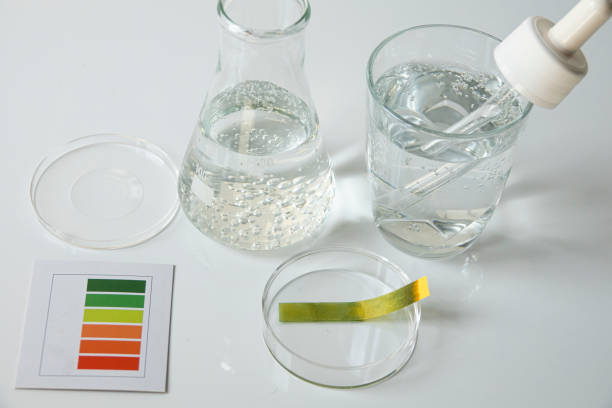
A certified lab helps families move from a small color strip or basic screen toward measurements that are tied to defined methods, reporting limits, and quality control. That distinction matters because many water issues are local. Two apartments in the same neighborhood can have different fixture materials, different stagnation patterns, different renovation history, and different water-use routines. Even within one home, a bathroom sink may behave differently from a kitchen faucet. Laboratory-supported testing helps connect the sample location to the result, so the numbers are not floating without context.
Basic kits can be useful for curiosity, but many families need more than curiosity. When a parent is asking whether a child’s drinking water should be tested for lead, whether bacteria may be present, or whether PFAS belongs in the panel, the answer needs a stronger foundation than a quick at-home screen. The difference is not about making testing complicated. It is about making the result dependable enough to be useful.
The Problem With Convenience Alone
At-home kits are popular because they are simple. A person can buy one, dip a strip, compare a color, and feel as if an answer has been found. The problem is that many household questions are not that simple. Color comparison can be subjective, detection ranges may be limited, and the kit may not explain whether the result is meaningful for a specific contaminant. A family may end up with a number or color block that feels official but still leaves the main question unresolved.
Convenience can also create false confidence. A kit may test one fixture on one day under one set of conditions. It may not account for water sitting in older plumbing overnight, a rarely used bathroom tap, a newly installed kitchen faucet, or sample handling requirements. The family receives a result, but not necessarily a reliable interpretation. Laboratory testing adds method discipline and reporting structure, which is especially important when the result affects children, property decisions, or repeated daily use.
When Families Usually Outgrow Basic Screens
Families tend to outgrow basic kits when the concern becomes specific. A general curiosity about water quality may be one thing, but a baby using formula, a child with possible lead exposure, a home with old plumbing, or a property with recurring brown water deserves a stronger approach. The same is true when there are odors, staining, metallic taste, or uncertainty about private wells and bacteria. The more serious the question, the more important the analysis becomes.
Another common reason is the need to compare fixtures. If the kitchen sink shows a concern, families may want to know whether the upstairs bathroom, basement sink, or refrigerator line behaves the same way. A basic kit often treats the sample as a standalone moment. A laboratory-backed plan can compare locations and help the family see patterns. That comparison is often more valuable than a single isolated result.
Reliable outside references can also help frame the issue without replacing a property-specific sample. For example, CDC drinking water and lead prevention guidance gives families a public-health baseline for understanding why the concern matters. EPA National Primary Drinking Water Regulations adds another layer of context for the types of contaminants, methods, or standards that may be relevant. When the issue is specific to a property, however, public information should be paired with actual laboratory testing rather than treated as a substitute for it.
What Laboratory Testing Adds
Laboratory testing adds three things that basic screens often lack: method, documentation, and depth. Method matters because different contaminants require different handling and analysis. Documentation matters because the report should identify what was tested, what the result was, and how it was measured. Depth matters because families rarely worry about one contaminant in isolation. Lead, copper, bacteria, PFAS, arsenic, and general chemistry may all be part of a broader question about whether the water is suitable for daily household use.
A good testing plan should match the question. A family worried about lead may need first-draw or fixture-specific sampling. A buyer who notices staining may need metals and general chemistry. A household concerned about odor or unusual taste may need a broader panel that includes bacteria or potability indicators. The laboratory testing services page is useful because it separates different testing goals instead of treating every water concern as the same problem.
The goal is not to test everything randomly. The goal is to choose a panel that matches the situation. For example, a family in an older home might prioritize lead and copper first, then add additional metals or potability indicators if taste, staining, or property age suggests a wider issue. A family concerned about modern emerging contaminants may ask about PFAS analysis and whether the selected method is appropriate. A lab-supported plan keeps the scope practical while making the result stronger.
Sample Strategy Is as Important as the Panel
Even the best laboratory cannot fix a poor sample strategy. If a family tests a tap that no one drinks from, the report may not answer the real question. If the water was flushed when the concern is first-draw exposure, the result may not represent the condition the family wanted to understand. If bacteria samples are collected without proper handling, the result may become confusing. The sample plan should identify which fixture matters, when the water should be collected, and why that location was chosen.
Method choice is especially important when the final result may guide a family decision. Metals, microbiological samples, and PFAS analysis are not handled in exactly the same way. A serious testing provider should be able to explain why a particular bottle, holding time, preservation step, or laboratory method is being used. The testing methods page can help homeowners understand why method discipline matters before a sample is ever collected.
For more technical background, EPA PFAS drinking water laboratory methods offers a helpful reference point. The most important lesson is simple: the quality of the result depends on more than the act of collecting water. It also depends on the right method, the right sample container, and an interpretation that respects the limitations of the sample.
How Families Can Read Results More Carefully
A laboratory report should be read in context. The result belongs to the sample, not automatically to the whole house. If lead is found in a kitchen sample, that tells the family something important about that tap under those conditions. It does not automatically define every other tap. If a bacteria result is present or absent, the handling and sample source still matter. Families should avoid turning one report into a conclusion that is broader than the sample supports.
Good questions after the report include: Was the right tap tested? Was the right panel selected? Did the sample reflect normal use? Do any findings suggest a fixture-specific issue? Would comparison samples help? This is where laboratory analysis becomes more useful than a basic kit. It does not simply produce a result; it supports a better conversation about what the result means.
Families and property owners across different service areas can also review the locations page to understand the regional focus of the lab-supported testing process. For direct questions, the contact page is usually the most practical next step because a testing plan should be shaped around the property, the fixture locations, and the reason the concern started.
Conclusion
Basic water test kits may offer convenience, but families often need deeper and more reliable information. Certified laboratory testing brings stronger methods, clearer reporting, and better sample planning to questions about lead, bacteria, PFAS, metals, and potability. When children and daily drinking water are involved, that added discipline can make the difference between a quick guess and a meaningful answer.